
About Us
Kele Global is a non-profit organization founded in Washington D.C. in 2019 that educates, empowers, and inspires disadvantaged children, youth, and communities in Africa.
Kele Global is a 501(c)(3) tax-exempt nonprofit organization born from a deep belief in the dignity, strength, and untapped potential of Africa’s youth. We exist to educate, empower, and inspire disadvantaged children, young people, and communities, helping them rise above adversity and move confidently toward brighter futures.
Rooted in a story of resilience and shaped by a lifelong connection to Sudan, South Sudan, Uganda, and the wider region, Kele Global was created to bridge the gap between what young people have and what they deserve: guidance, opportunity, safety, and hope. Across Africa, millions of children and youth are full of promise and ambition. Yet without access to meaningful education, mentorship, and supportive community structures, that potential can be lost to violence, exploitation, or instability. Kele Global exists to interrupt that cycle. From our offices in Washington, D.C., and Uganda, we work with grassroots communities to provide education, leadership development, mentorship, and skills training that help young people unlock their potential.
We believe every child carries a spark. When youth are empowered, families grow stronger, communities thrive, and nations move forward. Our mission is simple: to help young people rise and become agents of change in their own lives and communities.
All contributions to Kele Global are tax-deductible and directly support programs that change lives.
Get To Know Us
-
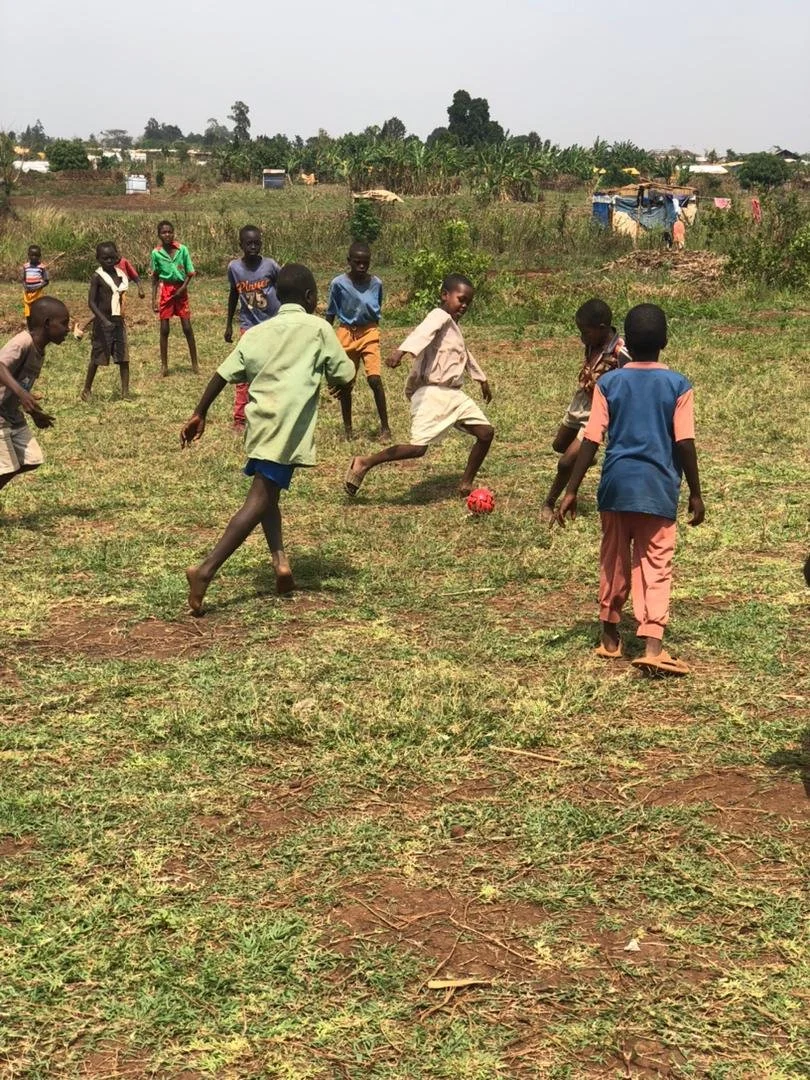
We provide safe spaces for learning and encourage a growth mindset environment for youth and children in underprivileged areas. Our programs currently focus on children in Uganda and Sudan, who live in communities with limited safe spaces and resources to learn, play and develop. Our focus is on nurturing well-being by fostering creativity, developmental skills, self-confidence, and leadership values and abilities. Kele Global will:
Create play and learning opportunities through sports practice and creative art classes for children ages 5 to 18.
Support parents with basic training on how to be supportive and create a learning and growth mindset at home.
Work with schools and community organizations to challenge and engage in growth mindset practices in their environment and classrooms.
In Uganda (40 million), Sudan (40 million), and South Sudan (10 million), over 40% of the population is under the age of 14. This young population will play a critical role in the country’s future economy, and they will be the catalysts of change and opportunity.
-
We provide community-embedded educational opportunities to normalize programs and activities for children through local partners, educators, and community opportunities. We organize community craft and art sessions for young children focusing on cognitive development and communication skills. Our dedicated volunteers and staff provide these children with a safe space to learn how to read, write, and tell stories while learning how to be creative using toys and having fun.
Our belief is that children learn best when the learning environment is flexible, fun, and child centered. When conditions are right, children can develop confidence and express themselves freely thus in the process developing their communication skills.
-
Crises are destined to happen. Children are usually the most impacted because they are the most vulnerable to change physically and mentally. But children are extremely resilient, flexible and can bounce back if supported through initial impacts.
Kele Global takes a holistic approach and stands ready to intervene in times of need to help in relief efforts working in partnerships with local communities. In Uganda, during the longest COVID-19 lockdown, our team worked with the vulnerable children who couldn't attend school to practice outdoor sports activities to stay mentally and physically healthy. We initiated and coordinated monthly community cleanups, that sensitized parents and communities around COVID and how to change their behavior for disease avoidance. Because we take a community approach and embed behaviors, the community cleanups continue to this day.
In Sudan, in 2019, we helped 30 families to build their demolished homes in the floods caused by the overflowing of the River Nile. We assisted 150 families in critical need and mostly single women and widows to buy food and medicine for their loved ones since they could not work during the lockdown during COVID-19. They had lost their opportunity but not their
-
Every child and young person has untapped potential, creativity, and resilience. When provided with education, mentorship, and guidance, they can become agents of positive change within their families, communities, and nations. Without this support, youth risk falling prey to violence, exploitation, and missed opportunities, limiting their ability to thrive and contribute meaningfully to society.
-
At Kele Global, we believe that sustainable change begins within communities. We work closely with grassroots partners to empower underprivileged children, youth, and families by providing opportunities that foster learning, leadership, and personal growth. Our approach focuses on two key pillars:
Education – We expand access to both formal and informal learning opportunities through literacy programs, academic support, and skill-building workshops that help young people build a strong foundation for their future.
Empowerment – We provide mentorship, leadership development, and guidance that enable youth to build confidence, make informed decisions, and become positive contributors to their communities.
Our programs are designed to be community-centered, inclusive, and responsive to local needs, ensuring that the individuals we serve have the tools and support necessary to thrive.
-
Millions of children and youth in Sudan, South Sudan, and other parts of Africa face systemic barriers to education, guidance, and opportunity.
Lack of mentorship and positive role models leaves youth vulnerable to exploitation, violence, and harmful behaviors.
Communities often lack access to structured programs that empower youth to fulfill their potential.